
Charles Arand
-
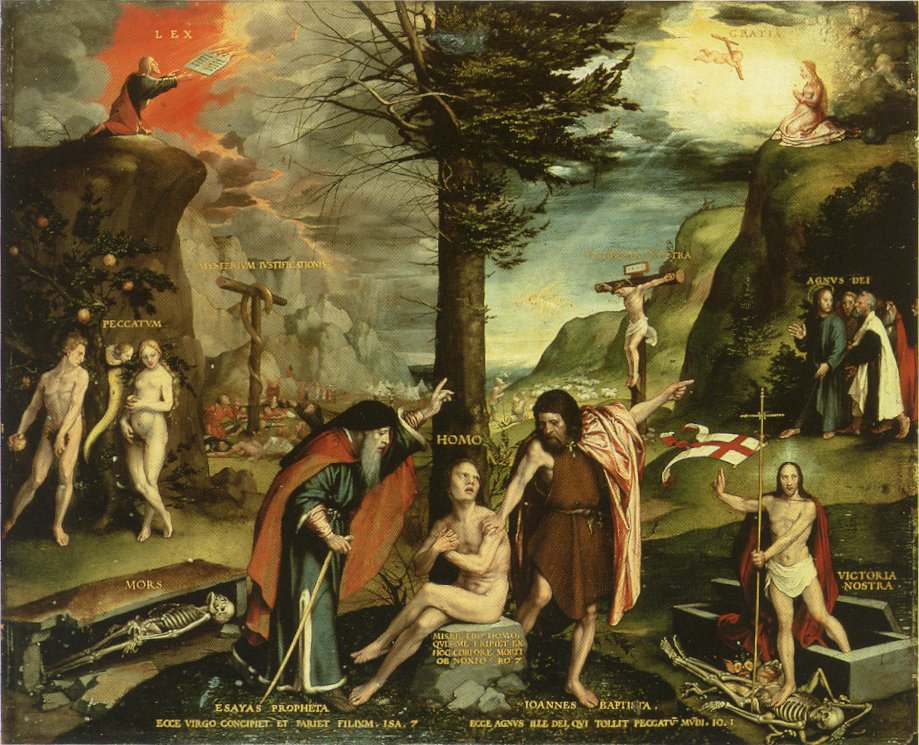
Law and Gospel: Not Just for Lutherans Anymore
Episcopalians in love with the distinction of Law and Gospel? Reformed theologians interested in Law and Gospel? Who knew?
-

Registration opens for the 27th annual Theological Symposium
Sept. 20-21, 2016, event focuses on catechesis.
-
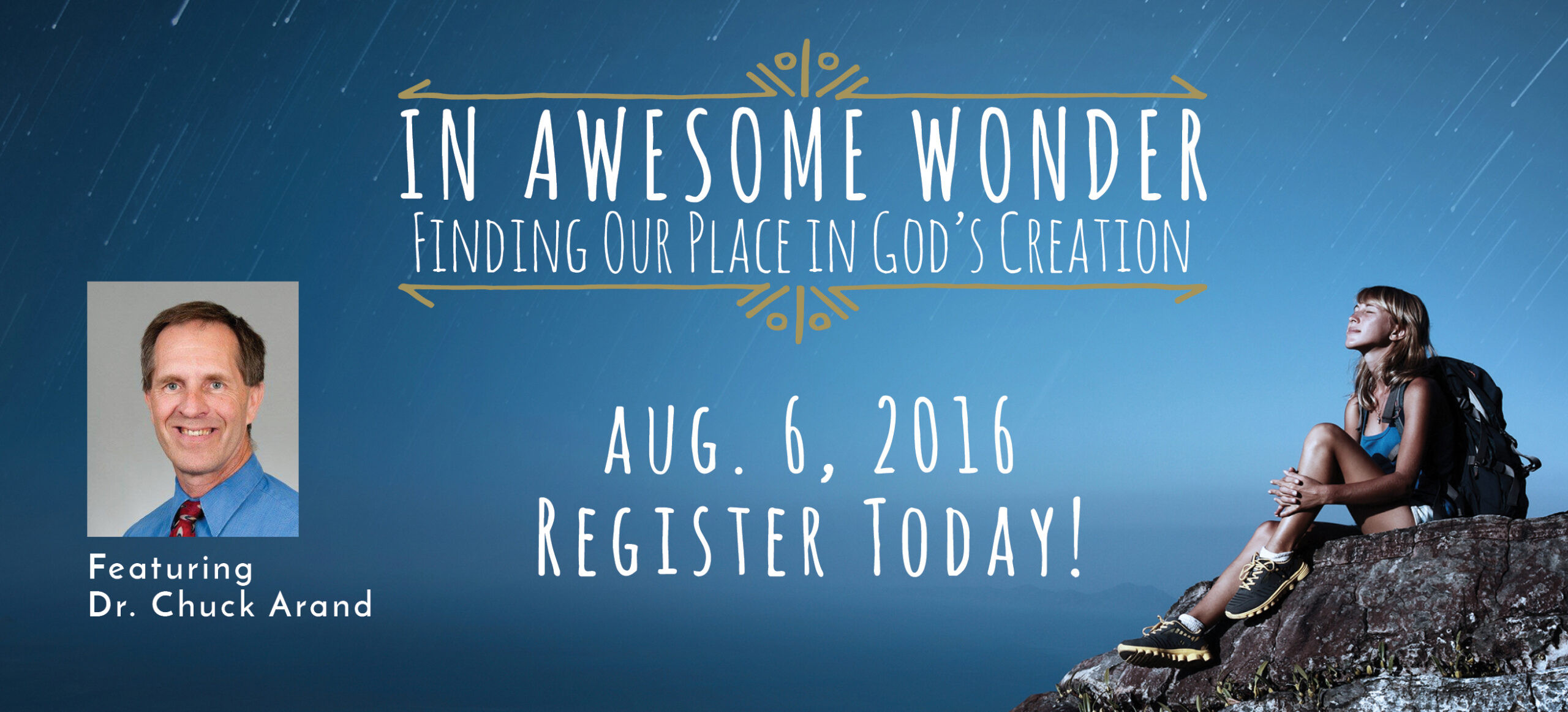
Summer Lay Bible Institute set for Aug. 6, 2016
Charles Arand will lead a theme focusing on the wonders of God’s creation.
-
Holy Trinity • John 8:48–59 • May 22, 2016
By Charles Arand “I Am” Your Creator and Redeemer This is one of the better-known passages in John and is a favorite passage for many…
-
Christ, creation, redemption focus of Winter 2016 Lay Bible Institute
Chuck Arand will present “In Awesome Wonder: Finding Our Place in God’s Creation” on February 6, 2016.
-
Proper 22 • Hebrews 2:1–13 (14–18) • October 4, 2015
By Charles Arand Twice Honored By God This particular lectionary provides an opportunity to connect the text with the overarching storyline of Scripture. At the…
-

Theological Symposium – September 22-23, 2015
Exploring what memory formation, retention can mean for church, ministry.
-
Care of Creation Workshops
Thanks to a generous grant to cover travel costs, Charles Arand is now available for workshops on the theology and care of creation, with an…
-
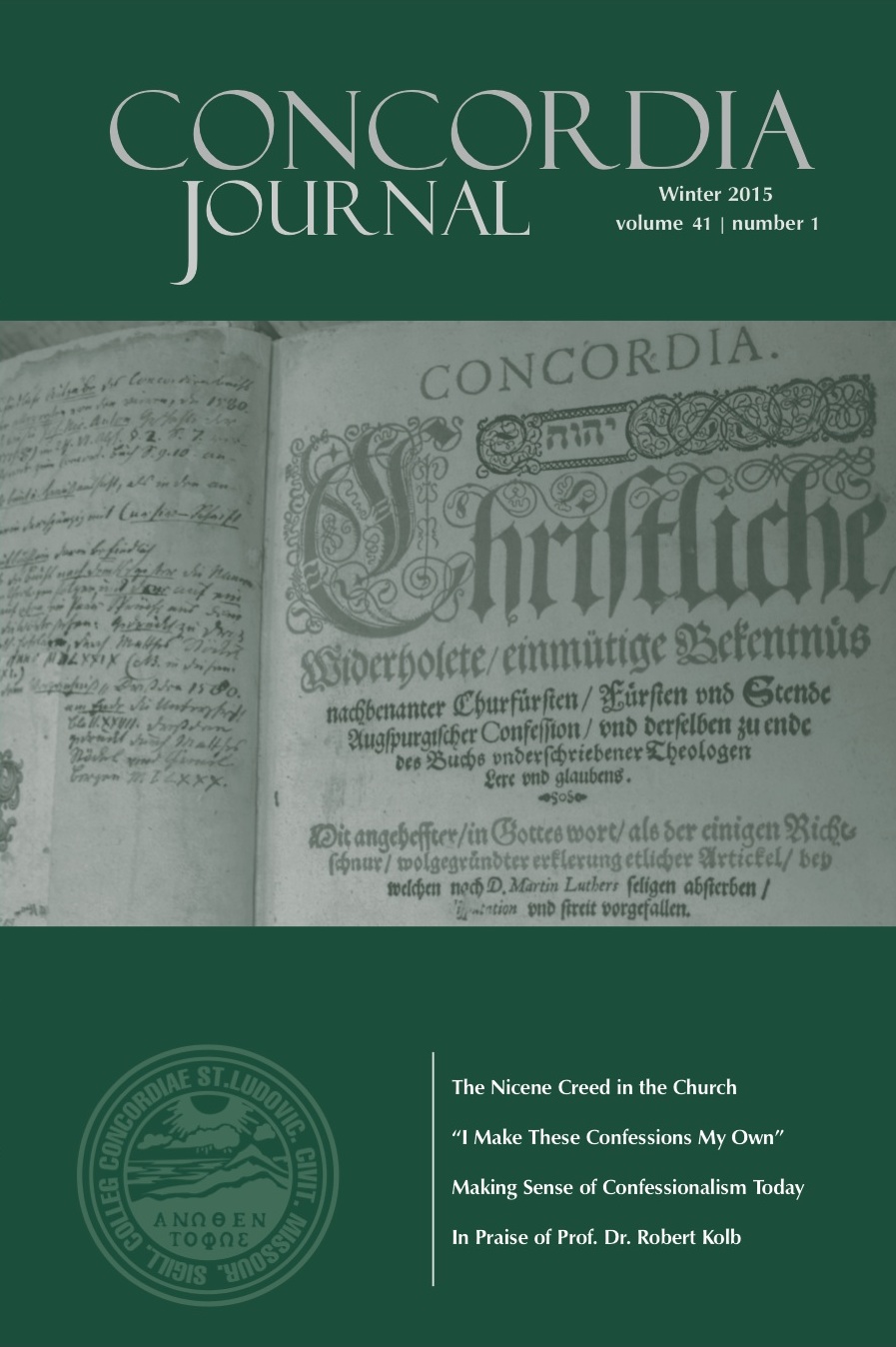
Conversations on the Lutheran Confessions
On March 12, 2015, Concordia Seminary will host a special Conversation on the Lutheran Confessions.